AI-POWERED DIGITAL TWINS: A Review of Architectures, Hybrid Intelligence, and Emerging Cognitive Paradigms
Saúl Rodríguez Astucuri | Jorge M Seminario seminario@tamu.edu |
Citar: J. PAIME, 2026, 5, 26-42
10 de mayo 2026
Abstract
Digital Twins (DTs) have become a foundational paradigm in the context of digital transformation, enabling the integration of physical and virtual systems through real‑time data and advanced analytics (Tao et al., 2019; Fuller et al., 2020). In recent years, the convergence of DTs with Artificial Intelligence (AI) has opened new research avenues, particularly in the development of intelligent, adaptive, and autonomous systems (Lu et al., 2020). However, the literature remains fragmented, with persistent challenges related to interoperability, scalability, and the effective integration of heterogeneous data sources and modelling approaches (Kritzinger et al., 2018).
This article provides a comprehensive review of AI‑driven Digital Twins, focusing on the evolution from traditional simulation‑based models to Cognitive Digital Twins, characterized by learning, reasoning, and decision‑making capabilities. The review systematically analyses the key enabling technologies, including hybrid modelling (physics‑based and data‑driven), machine learning, deep learning, and distributed edge–cloud architectures. It also examines the role of semantic interoperability and ontology‑based frameworks in addressing integration challenges in complex systems.
Furthermore, this study identifies and categorizes major research gaps, including the lack of standardized architectures, limitations in real‑time data synchronization, and unresolved issues related to security, privacy, and reliability. Emerging trends such as the incorporation of generative AI and large language models into DT ecosystems are also analysed.
Finally, the article outlines future research directions toward scalable, interoperable, and intelligent DT ecosystems, highlighting the transition from descriptive and predictive models to cognitive and fully autonomous systems. This review aims to provide a structured and critical perspective to guide researchers and practitioners in advancing the state of the art in AI‑enhanced Digital Twins.
Keywords
Digital Twins; Artificial Intelligence; Cognitive Digital Twins; Interoperability; Edge-Cloud Computing
1. Introduction
Digital Twins (DTs) have rapidly evolved as a key component of digital transformation, enabling real‑time monitoring, simulation, and optimization of physical systems (Grieves & Vickers, 2017). Originally conceived within the manufacturing domain, DTs are now widely applied in healthcare, smart cities, energy systems, and transportation (Qi & Tao, 2018).
The integration of Artificial Intelligence (AI) has significantly expanded DT capabilities, enabling predictive analytics, anomaly detection, and autonomous decision‑making (Tao et al., 2018). Despite these advances, the field remains fragmented due to heterogeneous architectures, lack of interoperability, and inconsistencies in modelling approaches (Negri et al., 2017).
This article aims to provide a structured and critical review of AI‑based DTs, identifying major research trends, technological enablers, and outstanding challenges. The main contributions are: (i) a comprehensive taxonomy of DT research, (ii) a clustering‑based literature analysis, and (iii) the identification of future research directions toward cognitive and autonomous DT systems.
2. Review Methodology
This study adopts a systematic literature review methodology following the PRISMA 2020 framework (Preferred Reporting Items for Systematic Reviews and Meta‑Analyses), which provides a structured and transparent approach for identifying, selecting, and analysing relevant studies. PRISMA ensures reproducibility and minimizes bias by defining explicit inclusion and exclusion criteria and documenting the review process.
2.1 Search Strategy
The literature search was conducted using the Web of Science (WoS) database, covering publications from 2015 to 2026. The following query was used:
(“Digital Twin” AND (“Artificial Intelligence” OR “Machine Learning” OR “Deep Learning”)
Additional records were identified through backward and forward citation analysis.
2.2 Inclusion and Exclusion Criteria
Inclusion criteria:
· Peer‑reviewed journal articles and conference papers,
· Studies on DTs with AI components,
· Publications in English
Exclusion criteria:
· Non‑scientific reports or editorials,
· Articles without accessible abstracts,
· Studies unrelated to DT architectures or intelligence
2.3 Selection Process
The selection process followed the four PRISMA phases: identification of records, removal of duplicates, screening of title/abstract, and full‑text eligibility assessment. Approximately 1000 records were initially retrieved, of which 120–150 were selected for detailed analysis.
2.4 Data Extraction and Analysis
For each selected article, the following attributes were extracted: application domain, modelling approach, AI techniques used, architectural design, and identified limitations. A thematic clustering approach was applied to group the literature into coherent research lines.
2.5 Limitations
Although PRISMA ensures transparency, limitations remain regarding database coverage and potential keyword‑selection bias.
3. Conceptual Foundations of Digital Twins
The concept of a “digital twin” was formally introduced by Grieves in 2002 within the context of Product Lifecycle Management (PLM), referring to a complete virtual representation of a physical product.
3.1 Definition and Core Components
DTs consist of three core components: (i) the physical entity, (ii) the virtual representation, and (iii) the data exchange mechanisms that enable dynamic integration between the physical and virtual worlds through continuous simulation across the asset’s lifecycle (Boschert & Rosen, 2016).
DTs provide real‑time synthetic data and physics‑based simulation, preventing AI agents from “hallucinating” impossible solutions by contrasting the asset’s behaviour with real‑time sensor data. Key examples include:
· Safe simulation of an action before an agent executes it in the physical world
· Real‑time contextual queries by AI agents to know the exact state of the asset
· Mapping dependencies among internal DT processes
· Hypothesis testing through simulations before real‑world execution
· Synthetic data generation to augment datasets for AI training, and train DT‑related AI models
3.2 Evolution of Digital Twins
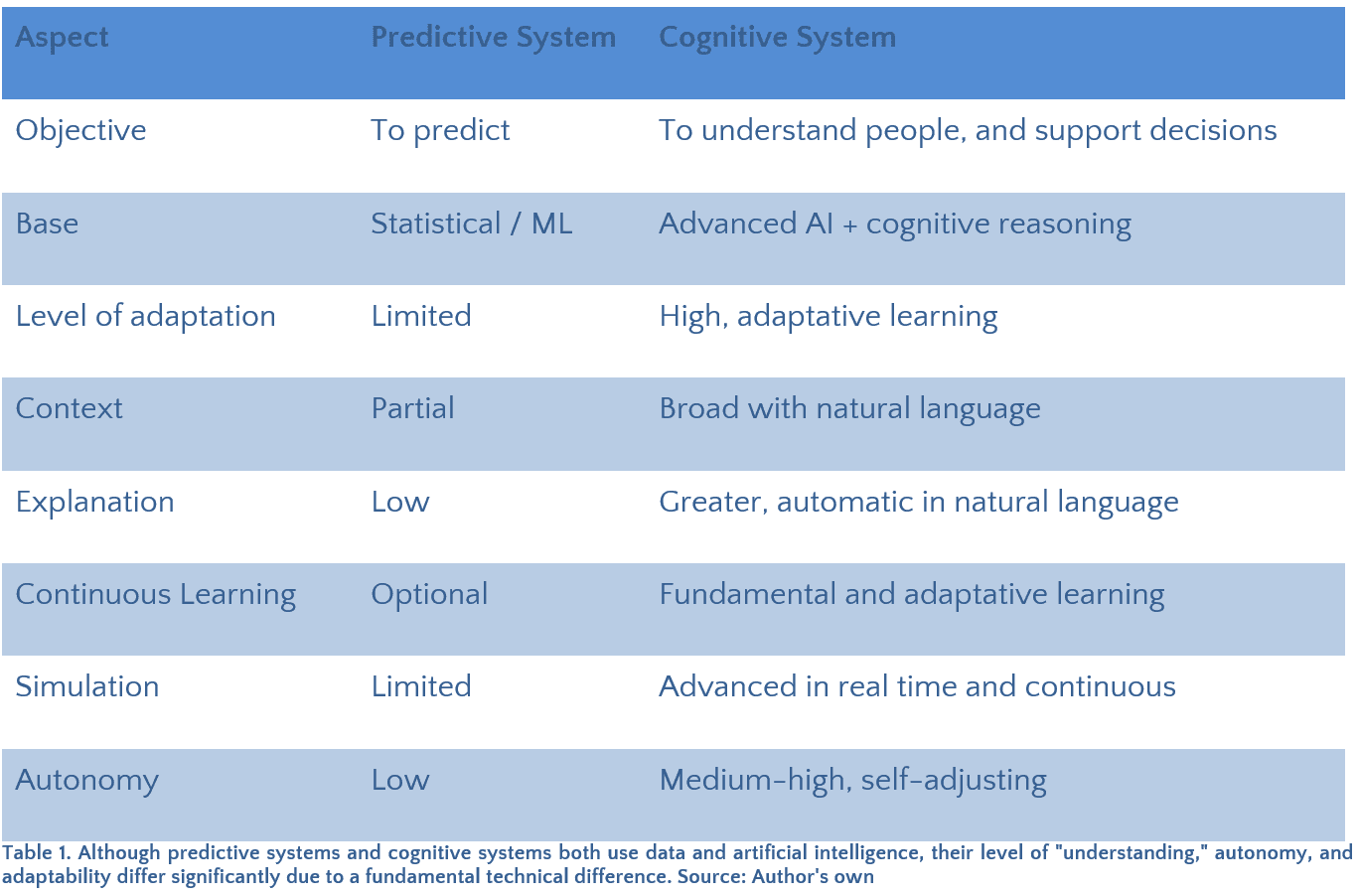
DTs have evolved from static simulation models to dynamic real‑time systems capable of predictive and prescriptive analytics. Their evolution spans descriptive, diagnostic, predictive, and cognitive stages (Liu et al., 2021), reflecting increasing levels of simulation, monitoring, predictive intelligence, and autonomy.
Table 1 shows the difference between predictive and cognitive systems, essential for understanding the evolution of DT and AI technologies.
3.3 Digital Twins vs. Related Paradigms
Cognitive DTs in closed‑loop control systems powered by large models (LLMs/LVMs) tend to close the control loop of an asset. Table 2 illustrates this evolution.
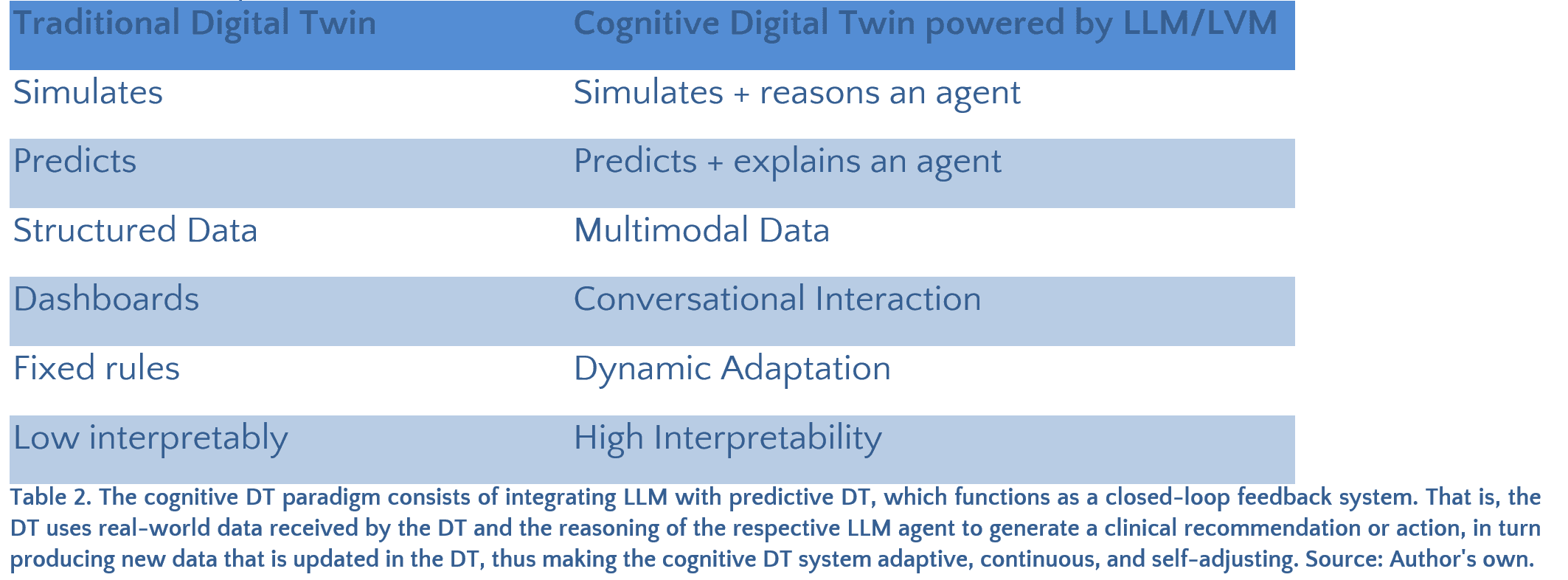
In predictive maintenance, for example, the DT detects anomalous behaviour in the physical asset, the agent receives the alert and simulates in real time what would happen, and based on the failed simulation, another agent executes the required task. This results in closed‑loop control systems where AI not only predicts but also assists in adjusting the physical asset.
4. Enabling Technologies for AI‑Driven Digital Twins
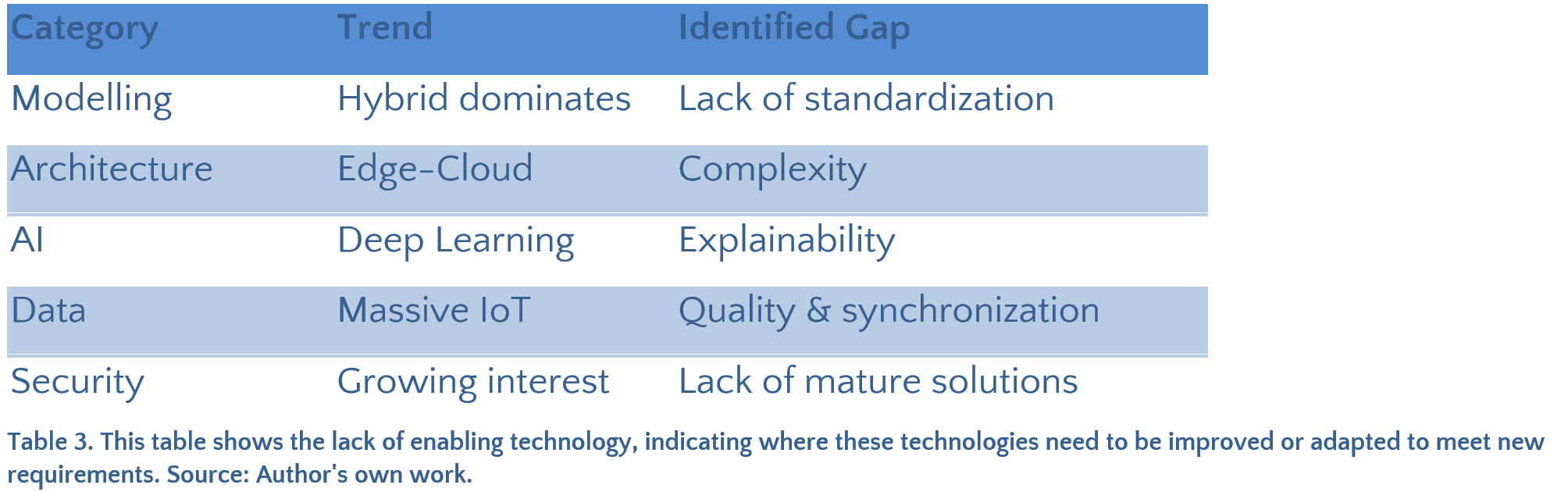
The following sections describe the technologies that contribute to the development of DTs. Although many of these technologies are considered mature, Table 3 identifies gaps that still need to be addressed.
4.1 Internet of Things (IoT)
IoT devices enable real‑time data acquisition from physical systems (Wang et al., 2016), including medical devices within the Internet of Medical Things (IoMT).
4.2 Big Data and Analytics
Large‑scale data processing and analytics facilitate pattern extraction and system optimization (Tao et al., 2018).
4.3 Artificial Intelligence and Machine Learning
AI techniques—including deep learning and reinforcement learning—enable predictive and adaptive capabilities (Lu et al., 2020). Cognitive reasoning has been strengthened by Transformer‑based neural architectures, which power Generative AI. This is the AI paradigm that popularized large‑scale LLMs through architectures capable of permanently storing context via attention mechanisms (Vaswani et al., 2017).
4.4 Cloud and Edge Computing
Distributed computing infrastructures support scalable, low‑latency DT implementations (Fuller et al., 2020).
4.5 Extended Reality (XR)
Extended Reality (XR)—including Virtual Reality (VR), Augmented Reality (AR), and Mixed Reality (MR)—serves as a fundamental immersive interface for visualizing and interacting with DT environments. By connecting physical and virtual domains, XR allows users to interact with 3D models of physical assets in real time, enhancing decision‑making, training, and maintenance across industries.
Key aspects of XR‑enabled DT interaction:
· Immersive visualization: XR enables users to view complex DT simulations, such as 3D factory or building models, from multiple perspectives and timeframes.
· Real‑time interaction: Advanced XR interfaces allow natural interactions—gestures, voice, gaze—reducing reliance on traditional controllers.
· Dynamic data integration: IoT sensor data from physical assets can be overlaid onto the physical environment via AR/MR or fully simulated in VR.
· Bidirectional control: XR acts as a “fused twin” interface, enabling users not only to observe but also to manipulate and send commands to the physical system.
Main use cases and benefits:
· Industry 4.0/5.0: Operators use AR headsets or tablets to visualize real‑time production line data, optimizing maintenance and reducing downtime.
· Construction and AECO: Teams walk through 1:1 scale 3D models to detect issues before construction; XR supports safety training through high‑risk scenario simulations.
· Energy and resource management: XR helps visualize building energy data, improving modelling and promoting energy‑saving behaviours.
· Remote collaboration: Platforms like NVIDIA CloudXR and Autodesk Workshop XR enable global teams to collaboratively review prototypes or virtual models.
Technological enablers:
· Development tools: Unity, Unreal Engine, and NVIDIA Omniverse support high‑fidelity rendering and shared DT simulation.
· Hardware: Devices such as Meta Quest 3, Apple Vision Pro, and Microsoft HoloLens 2 provide spatial computing and high‑resolution interactive capabilities.
Despite its potential, XR‑DT integration faces challenges such as data complexity, hardware limitations, and the need for standardized data formats.
5. Hybrid Modelling Approaches
Hybrid modelling combines physics‑based simulations with data‑driven models. This approach improves accuracy and robustness while maintaining interpretability (Rasheed et al., 2020). However, it introduces challenges such as computational cost and model synchronization.
5.1 Physics‑Based Models
An example is the electrophysiological representation of the heart using the bidomain computational model, which emulates the electrostatics of cardiac tissue membranes. This model is used to construct a cardiac DT.
5.2 Data‑Driven Models
Predictive models require sufficient data representing the asset. In clinical contexts, this involves a continuous pipeline: cleaning, normalizing, and automating the acquisition of clinical data from IoMT devices, followed by feature extraction through AI analytics to configure the patient’s DT.
5.3 Hybrid Models (Physics + AI)
Existing computational models simulate various cardiac functions—so‑called in silico trials, named after silicon‑based processors executing the algorithms.
Experts using the exact bidomain equation have reduced the error margin in locating cardiac tissues responsible for arrhythmias before surgery. Thus, DTs enable virtual analysis and risk‑free testing.
Another example is drug testing once a cardiac DT is running in parallel with the patient, clinicians can “medicate the DT” to observe outcomes. Only when the DT responds correctly is the therapy applied to the real patient.
6. Digital Twin System Architectures
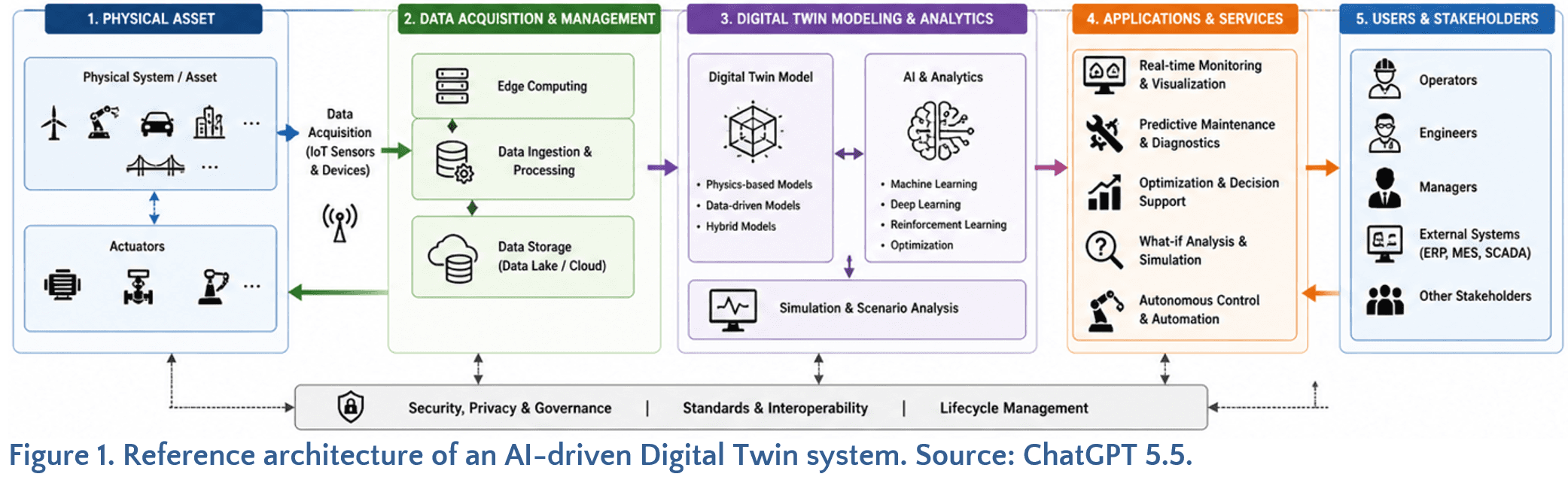
DT architectures have evolved from centralized systems to distributed edge‑cloud environments (Zhou et al., 2018). These architectures enable real‑time processing but introduce challenges in orchestration and resource management. See Figure 1.
6.1 Centralized vs. Distributed/Federated Architectures
A representative example is Digital Twin‑assisted Quantum Federated Learning (DTQFL) (Zhiguo et al., 2026). This collaborative training method allows each hospital to keep its own data while contributing to a shared model through synchronous updates.
The trained model is a Variational Quantum Neural Network (VQNN), and before training, a patient DT is built to reflect their clinical state. With 5G connectivity, hospitals can rapidly create and update DTs from IoMT data and use them to train VQNNs with high accuracy without centralizing raw data.
This approach is particularly valuable in healthcare: the DT acts as an operational virtual copy of the patient, enabling training on an updated virtual environment rather than static snapshots.
6.2 Edge–Cloud Continuum
DTQFL’s synchronous update mechanism operates between local edge nodes and the cloud. All hospitals progress through coordinated rounds; the server aggregates updates and returns the refined model. This provides stability but requires all participants to complete each round before proceeding.
6.3 Comparative Analysis of DT Approaches
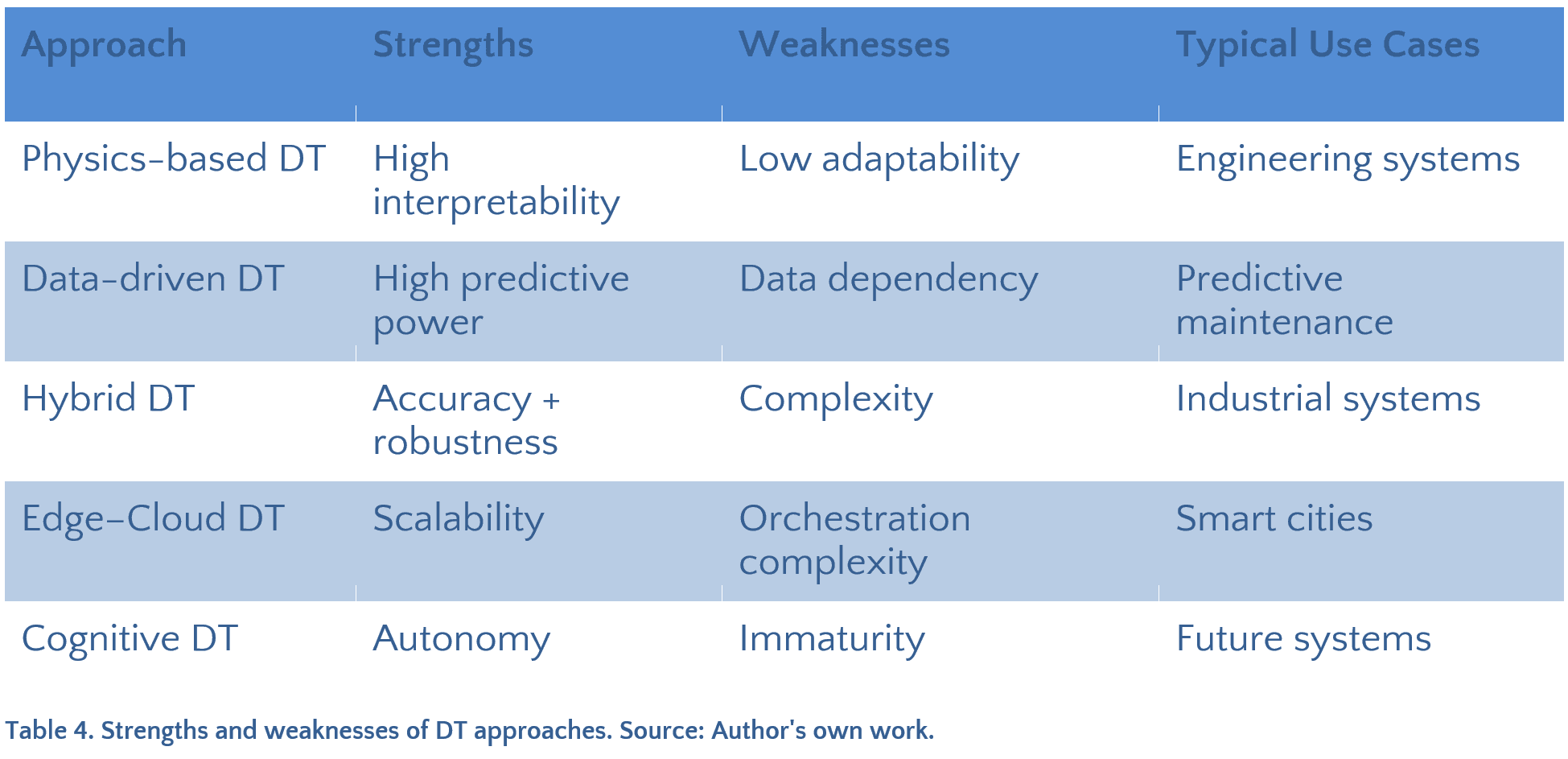
The trend toward intelligent, domain-adaptive, and real-time DTs for robust control in complex systems is still emerging. While it demonstrates the ability to adapt to uncertainty based on deep learning, this underscores the growing importance of probabilistic modelling, but data remains insufficient. Risk analysis and real-time optimization, AI‑enhanced DTs show improvements shown significant improvements in system efficiency, but these are insufficient for highly complex and sensitive environments. See Table 4.
7. Interoperability and Semantic Integration
Interoperability remains a major challenge due to heterogeneous systems and data formats (Kritzinger et al., 2018). Ontology‑based approaches and standardization efforts aim to address these issues, but adoption remains limited.
Interoperability ensures that different systems, hospitals, sensors, and platforms can exchange and understand data consistently. Semantic integration ensures that data retains its clinical meaning across systems.
7.1 Ontologies and Knowledge Representation
The interoperability of the DTQFL model operates through the following sequence. First, clinical data (EHR, ECG, medical imaging, laboratory results, PACS) and device‑generated data (IoMT, continuous physiological monitoring) are collected, cleaned, transformed, and normalized (HL7 / FHIR / APIs / ETL / Data Fusion). Subsequently, feature extraction is performed, and the patient’s Digital Twin is constructed (Ontologies / SNOMED CT / LOINC / ICD). Each hospital then trains its own local AI model (AI / DTQFL / VQNN / Predictive Analytics) using these data and transmits model parameters through federated networks to the hospital platform server. The server aggregates these parameters and returns a global model representing the integrated clinical state of the patient. Finally, each hospital performs additional iterations to adapt the AI model to its own clinical context (distributed DT). This combination of Digital Twin + distributed training + local fine‑tuning is precisely what the paper refers to as a Digital Twin‑assisted Quantum Federated Learning algorithm for intelligent diagnosis in 5G mobile networks (DTQFL) (Zhiguo et al., 2026).
The semantic flow within the Digital Twin begins with IoMT sensors, physiological data, semantic normalization, FHIR‑based ontologies, the integrated patient model, the DT, AI / federated learning, and ultimately clinical prediction.
The federated learning component of DTQFL enables analytical interoperability without the need for massive data centralization. In other words, each hospital retains its data locally while sharing only model parameters. This is critically important for privacy, data sovereignty, and regulatory compliance in healthcare.
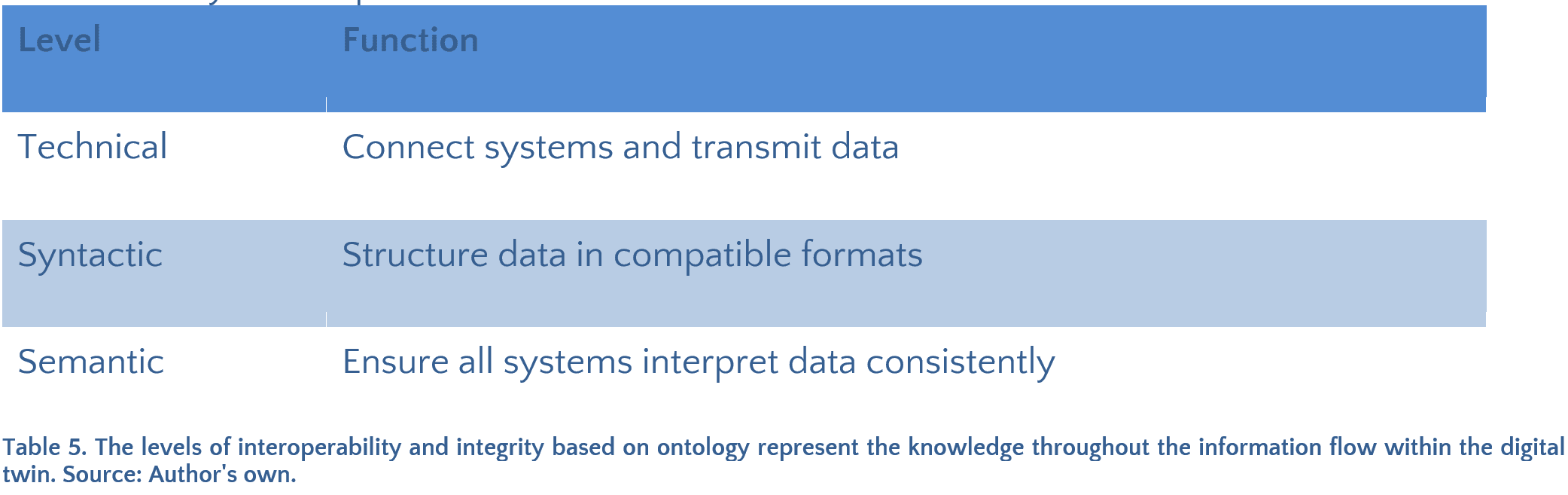
To integrate multiple sources of information, technical, syntactic, and semantic ontology layers are applied across the entire DT architecture, ensuring that the Digital Twin consistently interprets and reasons using a unified clinical language, as illustrated in Table 5. Semantic interoperability, for example, guarantees that all systems represent the same clinical concept.
7.2 Standardization Efforts (ISO, IEEE)
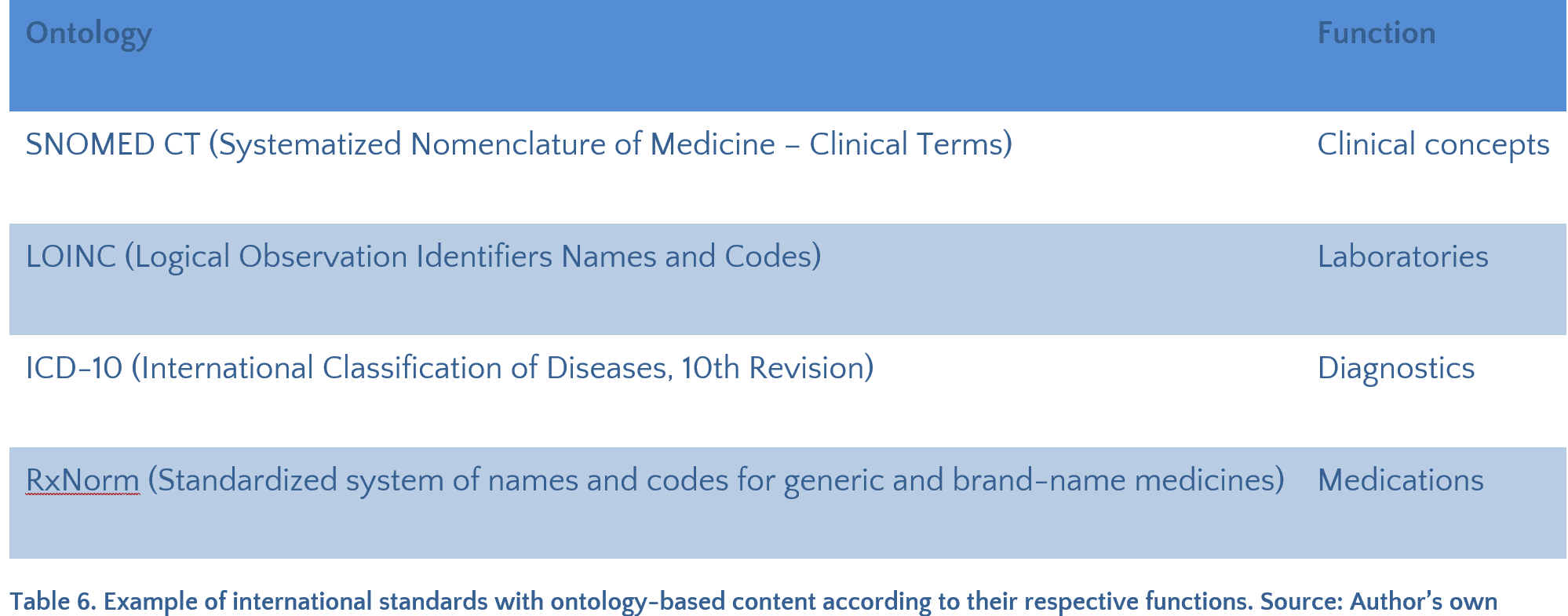
The key semantic components of an interoperability architecture require internationally accepted standards. Examples include:
a) HL7/FHIR.
The most important standard for modern clinical interoperability. It enables structured data exchange, interoperable APIs, and clinical synchronization. FHIR is particularly relevant for dynamic Digital Twins, cloud‑based integration, and real‑time monitoring.
b) Clinical ontologies.
These provide uniform semantic meaning to clinical data, as illustrated in Table 6.
c) Knowledge Graphs.
These structures enable the representation of complex clinical relationships, the organization of medical knowledge, and the support of AI‑based reasoning.
Semantic integration enables automated understanding. For example, AI systems can interpret clinical context, models can reason about diagnoses, and simulations can incorporate clinically meaningful information.
Semantic integration is therefore critical in Digital Twins, as it depends on data coherence, continuous updating, contextual interpretation, and temporal synchronization.
Semantic interoperability constitutes the foundation linking predictive AI models with cognitive models: it enables understanding of the meaning of each data element, supports explainable AI, clarifies inter‑variable relationships, guides the selection of clinical LLMs, activates causal reasoning, situates events within their clinical context, and ultimately supports the autonomy of cognitive Digital Twins.
Semantic interoperability has strategic relevance at the national level, as it is essential for an integrated healthcare ecosystem, precision medicine, continuity of care, and intelligent governance.
7.3 Interoperability Challenges
Interoperability and semantic integration constitute the operational core of Digital Twins in healthcare. Beyond the technical exchange of information, they enable multiple clinical systems, medical devices, and analytical platforms to interpret the patient’s state in a uniform manner, thereby supporting predictive and cognitive models capable of operating in real time on clinically coherent and distributed data.
The true value of the Digital Twin does not stem solely from artificial intelligence, but from its capacity to integrate, harmonize, and contextualize heterogeneous data in an interoperable and semantically consistent way. This capability forms the foundational basis for a future, advanced national digital health infrastructure.
8. Application Domains of Digital Twins
Digital Twins are applied across industry, healthcare, smart cities, and energy systems (Batty, 2018). Their most widespread applications include:
· Industry 4.0 (predictive maintenance, optimization)
· Healthcare (personalized patient modelling)
· Smart cities (urban planning, infrastructure management)
· Energy systems (grid optimization)
· Transportation (traffic and mobility analysis)
Recent studies increasingly explore advanced AI‑driven DTs across multiple domains. For example, uncertainty‑aware DTs based on deep learning have been proposed for robust control in complex systems, highlighting the growing importance of probabilistic modelling. Similarly, research on DTs for cybersecurity demonstrates their applicability in security operations and risk analysis.
In the energy sector, real‑time DT optimization using AI techniques has shown significant improvements in system efficiency, particularly in renewable energy systems such as photovoltaic plants. Domain‑specific implementations—such as DTs for healthcare and infrastructure—illustrate the expansion of DT applications into highly complex and sensitive environments.
These recent contributions reinforce the trend toward intelligent, domain‑adaptive, real‑time DT systems.
8.1 Predictive Cardiac Digital Twins
Below we present an example of a cardiovascular Digital Twin, one of many currently available in the market.
Case Study: Predictive Cardiac Digital Twin
To illustrate the practical application of the proposed concepts, this section presents a representative use case of an AI‑driven DT in cardiovascular health.
System Description
The system includes IoMT sensors placed on the patient’s chest and back, capturing real‑time data such as temperature, position, vibration, and cardiac activity.
DT Implementation
A virtual replica of the heart is created by integrating:
· A monodomain model of cardiac electrophysiological behavior
· Data‑driven models using machine learning
AI Integration
Machine learning models are used for:
· Predictive maintenance
· Arrhythmia detection
· Drug optimization
Results
The implementation yielded:
· A reduction of procedure time by approximately 20%. For example, reducing a one‑hour procedure by 20% directly lowers costs. Similarly, reducing reinterventions for cardiac resynchronization therapy (CRT) can save up to 50% intime and cost, directly impacting hospital stay duration.
· Higher predictive accuracy
· Greater operational efficiency: Beyond preventive medicine benefits—such as early arrhythmia prediction—virtual trials reduced R&D device usage time by 30%, adding value for insurers and medical device manufacturers.
These improvements reflect reductions in clinical costs (fewer reinterventions, shorter hospital stays, lower material consumption), increased staff and equipment efficiency, and higher success rates in complex procedures (fewer failures, fewer revisions). ROI increases further when hospitals scale the technology or offer external simulation or training services.
Discussion
This case highlights the benefits of hybrid modelling and AI integration while illustrating challenges related to data synchronization and system scalability.
8.2 Healthcare in Hospital Systems: Patient Digital Twins
The architecture of healthcare DTs is based on integrating data from connected medical devices (IoMT), interoperable platforms, and advanced AI models. This approach enables dynamic virtual representations of patients that evolve in real time and support clinical decision‑making, marking a paradigm shift from reactive to predictive and personalized care.
Simplified Architecture of a Patient Digital Twin
The DT architecture can be represented in eight functional layers:
IoMT Layer
Real patient with medical device sensors.
Connectivity Layer
Secure, low‑latency real‑time networks (Wi‑Fi, 5G, edge computing).
Integration and Interoperability Layer
Unification of heterogeneous data using normalization standards, data cleaning, EHR + FHIR.
Data Platform and Storage Layer
Management of large‑scale data (data lakes, cloud), ensuring scalability, security, and regulatory compliance.
DT Modelling Layer
Creation of the virtual patient using physiological models (e.g., heart), statistical models, and AI‑based models.
DT Intelligence Layer
Predictive capabilities using AI and analytics: pattern detection, event prediction (e.g., arrhythmia), clinical scenario simulation.
Clinical Application Layer
Used by clinicians and administrators: dashboards, early alerts, decision‑support systems.
Governance and Security Layer
Protection of data and ethical oversight: privacy, regulatory compliance, cybersecurity, responsible AI.
9. Toward Cognitive Digital Twins
Cognitive Digital Twins represent the next generation of DT systems, integrating AI capabilities such as reasoning, learning, and decision‑making (Fuller et al., 2020). These systems leverage advanced AI models—including generative AI—to enhance adaptability and autonomy.
9.1 From Predictive to Cognitive Systems
Predictive systems answer the question “What is likely to happen?”
They detect patterns, estimate probabilities, and warn of potential events.
Cognitive systems answer “What is happening, why is it happening, and what should be done?”
They interpret information, learn continuously, reason about scenarios, and recommend decisions.
Predictive systems do not understand context; they:
· Analyse historical data
· Identify patterns
· Estimate future probabilities
· Use statistical or ML models
· Focus on specific predictions
· Are specialized in a single task
Examples in healthcare:
· Predicting heart attack risk
· Detecting likelihood of rehospitalization
· Anticipating arrhythmias
Cognitive systems go further by integrating:
· Continuous learning
· Contextual reasoning
· Semantic interpretation
· Dynamic adaptation
· Complex simulation
· Autonomous decision support
A predictive DT may detect arrhythmia risk or alert about decompensation, but its rules remain limited.
A cognitive DT can:
· Interpret multiple variables simultaneously
· Learn from patient behaviour
· Adapt recommendations in real time
· Simulate treatments
· Reason about clinical scenarios
This transition marks a shift from reactive models to intelligent platforms capable of transforming healthcare delivery.
Predictive systems improve efficiency.
Cognitive systems transform the care model, enabling:
· Personalized medicine
· Dynamic clinical decisions
· Preventive care
· Intelligent automation
The true potential of DTs lies not only in predicting disease but in evolving into cognitive systems that dynamically support clinical and operational decision‑making.
9.2 Integration with AI Reasoning
Recent literature (IEEE, Digital Twin Consortium) already refers to Cognitive Digital Twins—DTs with cognitive capabilities able to reason about system states. Their distinguishing elements include:
· Generative AI
· Causal models
· Structured clinical knowledge
· Adaptive learning
Using DT technology and dynamically generated neural architectures, cognitive DTs of real‑world assets can be constructed.
AI models can always be built from synthetic data generated by the DT, enabling real‑time AI models of real assets that can be continuously validated against sensor data. This interaction strengthens the fidelity of the virtual representation.
Cognitive DTs represent real‑world assets to the extent that their data and AI models faithfully reproduce the mathematical and computational behaviour of the physical asset.
This provides a strategic advantage: cognitive DTs allow continuous questioning of cause‑effect relationships in virtual representations.
Decision‑makers must determine how much to trust DT recommendations, especially when they warn of critical situations or suggest improvements. AI models with these characteristics will gain prominence in the coming years.
Implementing causal traceability—moving from “what will happen” to “why the model believes it will happen”—is crucial for medical ethics.
Cognitive DTs are, in fact, the necessary infrastructure for achieving industrial‑grade Artificial General Intelligence (AGI), as they enable machines to understand causality rather than mere statistical correlation.
9.3 Role of Generative AI and Machine Learning Models
An LLM‑driven DT has an architecture where:
· The DT captures and simulates the real‑time state of the physical system
· The LLM interprets, reasons, explains, and optimizes decisions
This integration creates a cognitive DT that is more intelligent, adaptable, explainable, and autonomous.
Simplified Architecture of a Cognitive DT
The LLM‑driven DT architecture can be organized into eight functional layers:
IoMT Layer
Continuous acquisition of physical data from sensors.
Edge–Cloud Infrastructure Layer
Real‑time secure networks, low latency, distributed processing.
Multimodal AI Layer
Integration of images, video, audio, sensors, and temporal data.
Interoperability and Knowledge Layer
Standards HL7/FHIR, EHR, ontologies, knowledge graphs, clinical databases—transforming heterogeneous data into interpretable information.
DT Simulation Engine Layer
High‑fidelity simulation, physical‑virtual mapping, dynamic prediction.
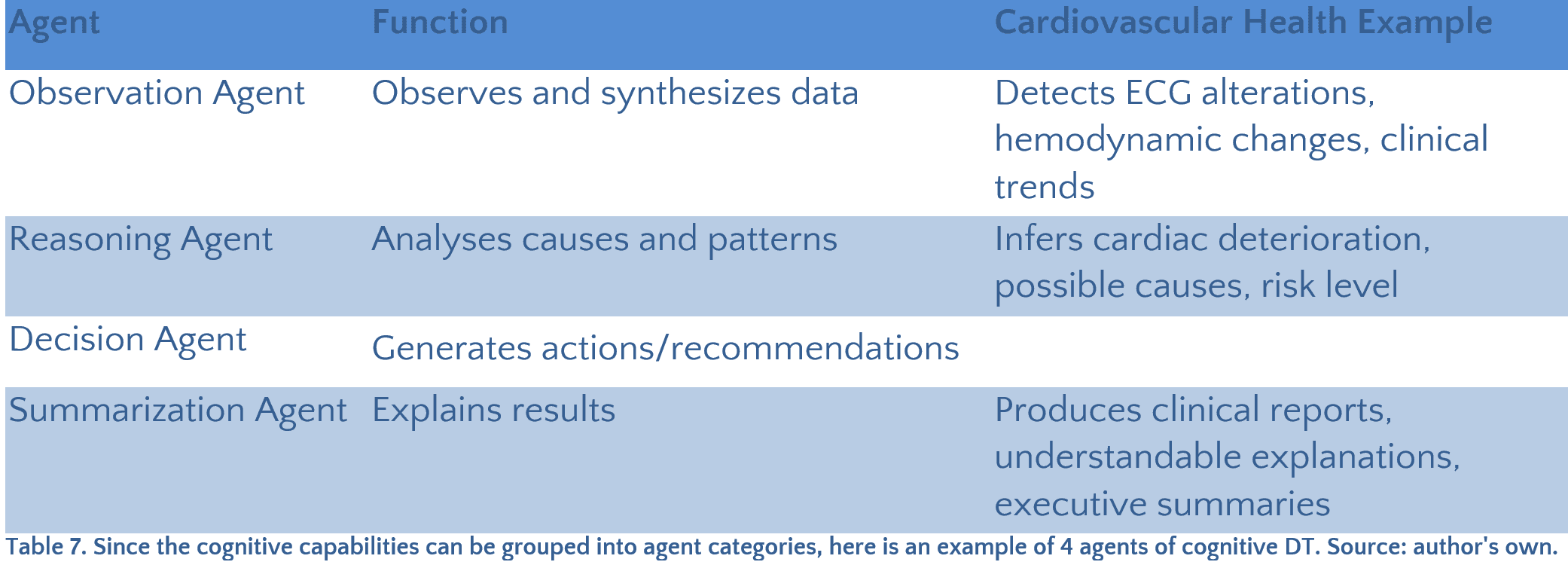
LLM‑Based Multi‑Agent System Layer
Example of four specialized LLM agents shown in Table 7: Observation, Reasoning, Decision and Summarization.
LLM Cognitive Layer
§ Semantic human understanding
§ Causal reasoning
§ Explainability
§ Adaptive prediction for new data
§ Automatic generation of recommendations
Human Interaction Layer
Conversational interfaces, transparency, governance, cybersecurity, ethical safeguards.
A clinician may ask:
“Why has this patient’s heart failure risk increased?”
The DT system would explain causal factors and propose actions after interpreting multimodal data.
LLM‑powered DTs represent the evolution from predictive platforms to cognitive systems capable of interpreting multimodal data, reasoning about complex clinical scenarios, interacting in natural language, and supporting real‑time medical decisions. This convergence marks the emergence of a new generation of intelligent, adaptive healthcare infrastructure.
9.4 Autonomous Decision‑Making
Each real‑world asset has an approximate computational representation calibrated to simulate and monitor the asset so that virtual variables match real‑time behaviour—necessary for verification and acceptance.
Virtual DTs simulate, monitor, and optimize the behaviour of physical assets by integrating physical models, real‑time sensor data, and AI algorithms. This enables real‑time forecasting of the asset’s physical behaviour.
A DT with these characteristics becomes a synthetic generator of future actions of the asset. However, synchronous feedback between real‑time sensor data and synthetic data must remain consistent. Any deviation must fall within acceptable thresholds defined by advanced analytics.
Thus, DTs enhanced with AI maintain predictions—future actions or risk anticipation—allowing the cognitive DT to optimize reality and operate as an autonomous AI agent for complex processes.
10. Results of the Thematic Literature Analysis
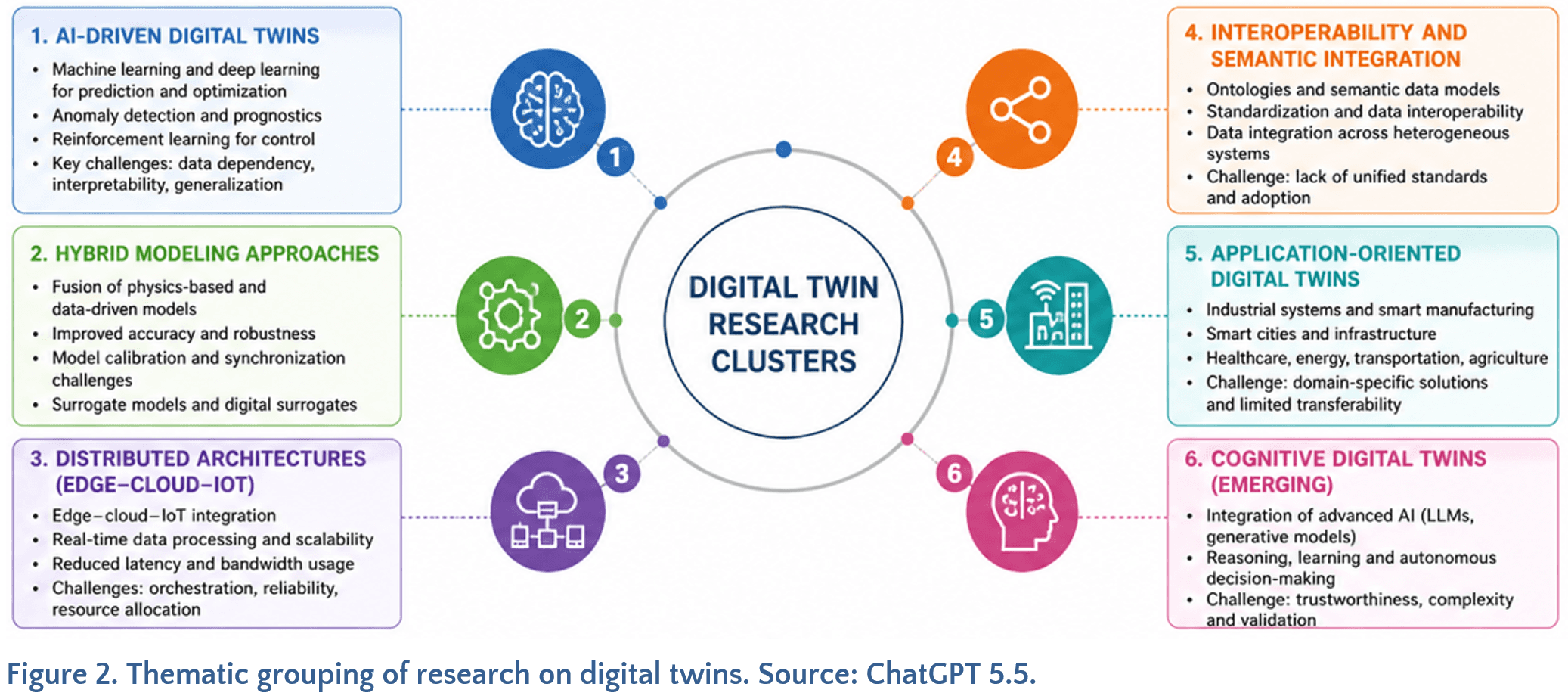
Six main research lines were identified: AI‑driven DTs, hybrid modelling, distributed architectures, interoperability, application‑oriented DTs, and cognitive DTs. The analysis reveals a transition toward intelligent, distributed systems, with interoperability as the main obstacle. See Figure 2.
10.1 Overview of Identified Clusters
The thematic analysis reveals a heterogeneous but structured research landscape, categorized into:
AI‑driven Digital Twins
Hybrid modelling approaches
Distributed architectures
Interoperability and semantic integration
Application‑oriented Digital Twins
Cognitive Digital Twins (emerging)
AI‑driven DTs form the largest cluster, followed by hybrid modelling and application‑oriented research. Cognitive DTs are recent but rapidly growing.
10.2 Cluster 1: AI‑Driven Digital Twins
This cluster includes studies integrating machine learning and deep learning into DT systems for predictive analytics, anomaly detection, and optimization. The goal is to enhance DT intelligence and adaptability through data‑driven methods.
Trends show increasing use of deep neural networks and reinforcement learning for predictive maintenance and system optimization. Challenges remain in model interpretability, data dependency, and integration with physics‑based representations.
10.3 Cluster 2: Hybrid Modelling Approaches
Hybrid Digital Twins combine physics-based models with data-driven techniques to leverage the advantages of both paradigms. This group reflects a growing consensus that purely data-driven or purely physical models are insufficient to capture the complexity of real-world systems.
The reviewed literature highlights improvements in accuracy and robustness when using hybrid models. However, challenges related to model calibration, computational complexity, and synchronization between physical and digital states remain.
10.4 Cluster 3: Distributed Architectures (Edge–Cloud–IoT)
This cluster focuses on the architectural design of digital twin systems, particularly the integration of edge computing, cloud platforms, and IoT infrastructures. The goal is to enable scalable, real-time processing and efficient data management in distributed environments.
The results suggest a growing adoption of edge-cloud paradigms to address latency and bandwidth limitations. However, issues such as orchestration complexity, resource allocation, and system reliability remain open research challenges.
10.5 Cluster 4: Interoperability and Semantic Integration
Interoperability is emerging as a critical yet underdeveloped area within digital technology. This cluster includes work proposing frameworks based on ontologies, semantic data models, and standardization efforts to facilitate communication between heterogeneous systems.
Despite its importance, the analysis reveals that interoperability solutions remain fragmented and lack widespread adoption. The absence of unified standards continues to hinder the large-scale deployment and integration of digital generation ecosystems.
10.6 Cluster 5: Application‑Oriented Digital Twins
A significant portion of the literature focuses on domain-specific DT implementations, particularly in industrial systems, smart cities, healthcare, energy, and transportation. These studies demonstrate the practical value of DTs for improving efficiency, enabling predictive capabilities, and supporting decision-making processes.
However, application-oriented approaches often lack generalizability, as solutions are tailored to specific use cases and may not be easily transferable across domains.
10.7 Cluster 6: Cognitive Digital Twins
This emerging group represents the evolution of DTs toward intelligent and autonomous systems capable of reasoning, learning, and making decisions. Recent studies explore the integration of advanced AI techniques, including generative models and large language models, to enhance the cognitive capabilities of DTs.
Although still in its early stages, this line of research shows significant potential for transforming DTs into self-adaptive systems. Key challenges include system complexity, reliability, and the need for robust validation frameworks.
10.8 Inter‑Cluster Analysis and Research Trends
The results of the cluster analysis highlight several cross-cutting trends. First, there is a clear convergence between AI techniques and digital twin systems, with a growing emphasis on hybrid and intelligent models. Second, distributed architectures are becoming essential to support scalable, real-time DT implementations. Third, interoperability remains a significant obstacle, limiting the integration of diverse technologies and platforms.
Furthermore, the transition from descriptive and predictive DTs to cognitive and autonomous systems is evident, marking a paradigm shift in the field.
10.9 Summary of Key Findings
In summary, the literature review reveals a progressive evolution in Digital Twin research, characterized by: (i) the predominance of hybrid and AI-based approaches, (ii) the growing importance of distributed architectures, (iii) persistent interoperability challenges, and (iv) the emergence of cognitive Digital Twins as a promising future direction.
These findings provide a structured basis for identifying research gaps and guiding the future development of AI-powered Digital Twin systems.
11. Discussion
The results of the literature review offer a structured overview of the current landscape of Digital Twin (DT) research, revealing both consolidating trends and persistent theoretical and practical challenges, with a particular focus on hybrid intelligence and distributed architectures. This section analyses these findings in light of existing theoretical frameworks and broader advances in the fields of Artificial Intelligence and digital systems engineering. However, challenges remain regarding interoperability, scalability, and reliability.
11.1 Convergence Toward Hybrid and Data‑Driven Intelligence
One of the most significant findings of the analysis is the predominance of hybrid and AI-based modelling approaches. This trend aligns with the theoretical shift from purely mechanistic models to data-centric and learning-based paradigms. From the perspective of cyber-physical systems theory, data models can be interpreted as an evolution toward tightly coupled systems where sensing, computation, and actuation are integrated in real time.
Hybrid models, which combine physics-based and data-driven approaches, reflect the need to balance interpretability and predictive performance. This convergence is consistent with emerging theories of "augmented intelligence," where human-designed models and machine learning systems complement each other. However, the literature also reveals a lack of formal frameworks for systematically integrating these paradigms, indicating an important direction for future theoretical development.
11.2 Distributed Architectures and Systems Theory
The increasing adoption of edge-cloud architectures observed in the cluster results can be interpreted from the perspective of distributed systems theory. Digital twins are no longer monolithic representations but are evolving into decentralized, multi-layered systems operating in heterogeneous computing environments.
This architectural shift introduces new challenges related to coordination, synchronization, and resource allocation—problems well-known in distributed computing. However, their manifestation in DT ecosystems is amplified by the need for real-time interaction with physical systems. Therefore, existing distributed systems theories must be expanded to account for cyber-physical feedback loops and time constraints.
11.3 Interoperability as a Sociotechnical Challenge
Interoperability is emerging as a critical bottleneck across all clusters. While increasingly, technical solutions based on ontologies and semantic models are being proposed, the lack of widely adopted standards suggests that interoperability is not only a technical problem but also a socio-technical one.
From an information systems perspective, interoperability implies alignment between the organizational, semantic, and technical layers. The fragmentation observed in the literature indicates that current research efforts lack sufficient coordination, underscoring the need for unified frameworks and collaborative standardization initiatives.
11.4 From Predictive to Cognitive Digital Twins
The emergence of cognitive digital twins represents a paradigm shift that can be interpreted within the broader evolution of intelligent systems. Traditional digital twins have focused primarily on descriptive and predictive capabilities, while cognitive digital twins seek to incorporate reasoning, learning, and autonomous decision-making.
This transition aligns with theories of intelligent agents and autonomous systems, where decision-making is based on both data and contextual understanding. The integration of advanced AI techniques, including generative models and large-scale language models, further supports this evolution. However, this shift also raises significant theoretical questions about explainability, trustworthiness, and control, particularly in security-critical applications.
11.5 Application‑Oriented Research and Limits of Generalization
The strong presence of application-oriented studies highlights the practical relevance of decision trees across multiple domains. However, this trend also reveals a tension between domain-specific optimization and generalizable solutions. Many implementations are tailored to specific use cases, which limits their transferability and scalability.
From a theoretical perspective, this suggests the need for layers of abstraction and modular frameworks that can connect domain-specific requirements with general decision tree architectures. Without such abstractions, the field risks fragmentation and duplication of effort.
11.6 Implications for Future Research
Analysis of the cluster's findings points to several key implications for future research. First, there is a need for unified theoretical frameworks that integrate AI, physical modelling, and systems architectures. Second, interoperability must be addressed through coordinated standardization efforts that go beyond purely technical solutions. Third, the development of cognitive digital twins requires advances in trustworthy AI, including explainability and validation methodologies.
Overall, the evolution of digital twin research reflects a broader transition toward intelligent, interconnected, and autonomous systems. Addressing the identified challenges will require interdisciplinary approaches that combine expertise in artificial intelligence, systems engineering, and information science.
11.7 Summary
In summary, the results of the cluster analysis not only describe the current state of the art but also highlight the underlying theoretical tensions and opportunities in this field. The convergence of AI-based methods, distributed architectures, and cognitive capabilities positions Digital Twins as a central paradigm in next-generation intelligent systems, while also exposing critical gaps that must be addressed to achieve scalable and reliable implementations.
12. Future Research Directions
Future research should focus on:
· Standardization and interoperability
· Reliable and explainable artificial intelligence
· Scalable edge and cloud architectures
· Cognitive and autonomous artificial intelligence systems
13. Conclusion
This article has presented a comprehensive review of AI-powered digital twins, highlighting key trends, technologies, and challenges. The transition to cognitive digital twins represents a significant opportunity for the advancement of intelligent systems. Overcoming current limitations will be critical for their widespread adoption.
More details in the attached document.
https://doc.uni75paime.org/AI-POWERED_DIGITAL_TWINS_PAIME.pdf
14. References
Batty, M. (2018). Digital twins. Environment and Planning B: Urban Analytics and City Science, 45(5), 817–820.
Boschert, S., & Rosen, R. (2016). Digital Twin—the simulation aspect. In Mechatronic Futures (pp. 59–74). Springer.
Fuller, A., Fan, Z., Day, C., & Barlow, C. (2020). Digital Twin: Enabling technologies, challenges and open research. IEEE Access, 8, 108952–108971.
Grieves, M., & Vickers, J. (2017). Digital Twin: Mitigating unpredictable, undesirable emergent behaviour in complex systems. Springer.
Jones, D., Snider, C., Nassehi, A., Yon, J., & Hicks, B. (2020). Characterising the Digital Twin: A systematic literature review. CIRP Journal of Manufacturing Science and Technology, 29, 36–52.
Kritzinger, W., Karner, M., Traar, G., Henjes, J., & Sihn, W. (2018). Digital Twin in manufacturing: A categorical literature review and classification. IFAC-Papers Online, 51(11), 1016–1022.
Lee, J., Bagheri, B., & Kao, H. A. (2015). A cyber-physical systems architecture for Industry 4.0-based manufacturing systems. Manufacturing Letters.
Leng, J., Zhang, H., Yan, D., Liu, Q., Chen, X., & Zhang, D. (2019). Digital Twin-driven manufacturing cyber-physical system for parallel controlling of smart workshop. Journal of Ambient Intelligence and Humanized Computing.
Liu, M., Fang, S., Dong, H., & Xu, C. (2021). Review of Digital Twin about concepts, technologies, and industrial applications. Journal of Manufacturing Systems, 58, 346–361.
Lu, Y., Liu, C., Wang, K. I.-K., Huang, H., & Xu, X. (2020). Digital Twin-driven smart manufacturing: Connotation, reference model, applications and research issues. Robotics and Computer-Integrated Manufacturing, 61.
Negri, E., Fumagalli, L., & Macchi, M. (2017). A review of the roles of Digital Twin in CPS-based production systems. Procedia Manufacturing, 11, 939–948.
Qi, Q., & Tao, F. (2018). Digital Twin and Big Data towards smart manufacturing and Industry 4.0. Engineering, 5(4), 653–661.
Rasheed, A., San, O., & Kvamsdal, T. (2020). Digital Twin: Values, challenges and enablers. arXiv preprint arXiv:2004.03623.
Tao, F., Qi, Q., Liu, A., & Kusiak, A. (2018). Data-driven smart manufacturing. Journal of Manufacturing Systems.
Tao, F., Zhang, M., Liu, Y., & Nee, A. Y. C. (2019). Digital twin driven prognostics and health management for complex equipment. CIRP Annals, 68(1), 169–172.
Vaswani, A., et al. (2017) Attention Is All You Need. Proceedings of the 31st International Conference on Neural Information Processing Systems, Long Beach, 4-9 December 2017, 6000-6010.
Wang, S., Wan, J., Li, D., & Zhang, C. (2016). Implementing a smart factory of Industrie 4.0: An outlook. International Journal of Distributed Sensor Networks.
Zhiguo Qu; Yang Li; Bo Liu; Deepak Gupta; Prayag Tiwari (2026). DTQFL: A Digital Twin-Assisted Quantum Federated Learning Algorithm for Intelligent Diagnosis in 5G Mobile Network. IEEE Journal of Biomedical and Health Informatics (Volume: 30, Issue: 1, January 2026) https://doi.org/10.1109/JBHI.2023.3303401
Zhou, J., Li, P., Zhou, Y., Wang, B., Zang, J., & Meng, L. (2018). Toward new-generation intelligent manufacturing. Engineering, 4(1), 11–20.
Digital Twins Artificial Intelligence Cognitive Digital Twins Interoperability Edge-Cloud Computing
© ExpoNet 2024